
Introduction
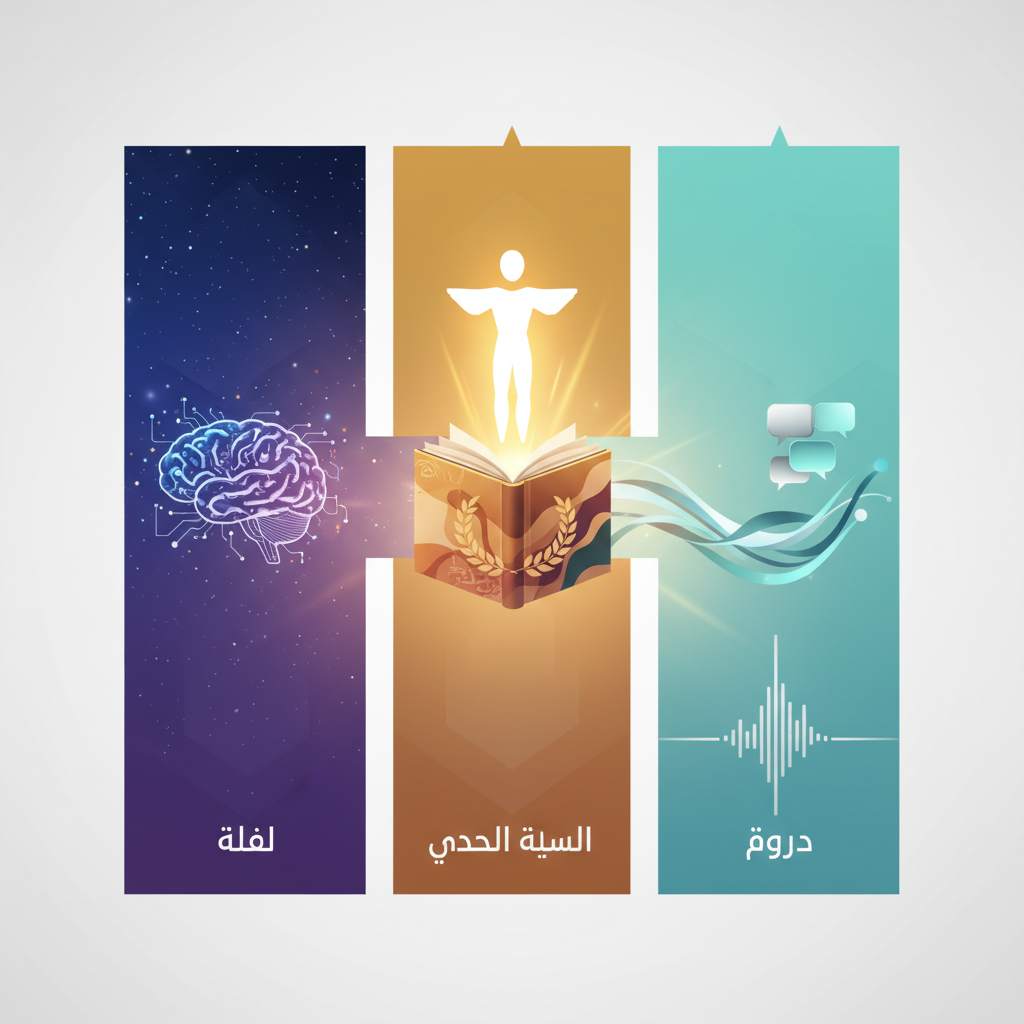
In today’s rapidly evolving world, self-confidence plays a crucial role in personal and professional success. It shapes our interactions, influences our decision-making, and impacts our overall well-being. One of the most effective ways to boost self-confidence is through knowledge, culture, and language. This blog post explores how these three pillars enhance self-esteem and empower individuals to thrive in various aspects of life.
The Role of Knowledge in Building Self-Confidence
Knowledge is a powerful tool that can significantly enhance self-confidence. When individuals are well-informed, they are more likely to feel secure in their abilities and decisions. Here are a few ways knowledge contributes to self-confidence:
- Informed Decision-Making: Knowledge allows individuals to make informed choices based on facts and data, reducing uncertainty and fear.
- Skill Development: Acquiring knowledge helps individuals develop new skills, which can lead to greater competence in their professional and personal lives.
- Overcoming Challenges: Knowledge equips individuals with the tools they need to tackle obstacles, fostering a sense of capability and resilience.
Continuous Learning
Embracing a mindset of continuous learning can cultivate a sense of empowerment. Engaging in educational opportunities, whether through formal education, online courses, or self-study, can enhance one’s confidence. The more knowledge one acquires, the more capable they feel.
The Impact of Culture on Self-Confidence
Culture encompasses the beliefs, values, and practices that shape a group of people. It plays a pivotal role in defining identity and self-perception. Here’s how culture can boost self-confidence:
- Sense of Belonging: Being part of a culture fosters a sense of belonging, which can increase self-esteem. When individuals identify with their culture, they feel more secure in their identity.
- Validation of Experiences: Cultural narratives and shared experiences validate individual feelings and experiences, leading to increased self-acceptance.
- Community Support: Cultural ties often come with a strong support system from the community, providing encouragement and motivation.
Embracing Diversity
Understanding and appreciating diverse cultures can also enhance self-confidence. When individuals are exposed to different perspectives and ways of life, they gain a broader understanding of their own identity, leading to increased self-awareness and confidence.
The Power of Language in Enhancing Confidence
Language is more than just a means of communication; it is a bridge that connects individuals to ideas, cultures, and one another. Proficiency in language can significantly impact self-esteem:
- Effective Communication: Mastering a language allows individuals to express themselves clearly and confidently, whether in social situations or professional settings.
- Building Relationships: Language proficiency fosters deeper connections with others, enhancing social interactions and boosting self-worth.
- Access to Resources: Being fluent in a language can provide access to a wealth of information and resources, empowering individuals to learn and grow.
Multilingualism and Confidence
Being multilingual not only boosts cognitive abilities but also enhances global awareness and empathy. This understanding fosters a greater sense of confidence when interacting with diverse populations and navigating multicultural environments.
Conclusion
In conclusion, knowledge, culture, and language are interconnected elements that play a significant role in enhancing self-confidence. By actively seeking knowledge, embracing cultural identity, and improving language skills, individuals can cultivate a robust sense of self-worth and empowerment. As we continue to navigate an increasingly complex world, investing in these areas will not only uplift personal confidence but also enrich our communities and society as a whole.